
Tracing Dodge County Former Property Owners
Begin with the newest deed you can trust. Move back one recorded transfer at a time after that. Treat any step table as a sequence only. The real dates, names, document types, and references must come from each instrument itself. At every step, match the PIN and the legal description. A shared name or a neighboring parcel can otherwise pull the chain onto different land.
| Transfer date | Grantor to grantee | Deed type | Book, page, or record reference |
|---|---|---|---|
| From latest instrument | Current grantee to prior grantor | Read from recorded deed | Copy the actual county reference |
| Earlier recorded date | Prior grantor to that party as grantee | Read from earlier deed | Search by party and same tract |
| Historic book date | Continue the chain using the legal description | Check the original book | Ask the Register of Deeds if online search ends |
LandShark advertises grantor, grantee, and tract indexes with images. County material says some recording data appears in LIST from 1996. That proves no start date. LandShark could open earlier or later. The original deed books may reach further back still. For older Dodge County owners, ask the Register of Deeds about historic indexes. Use tax rolls or plats as parallel clues rather than substitutes.
Walking the Dodge County Deed Chain Backward
On a deed, the grantor conveys the interest and the grantee receives it. Trace backward from the latest known grantee. Read the grantor from that deed. Then search that same person as an earlier grantee. Follow the land description rather than the name, since a legal description stays stable even when street labels or mailing addresses change.
- Locate the latest deed and record its grantee, grantor, date, PIN, and full land description.
- Search the grantor's name as an earlier grantee in LandShark or the available index.
- Compare the new instrument's description with the same tract and repeat the backward search.
- When online results stop, contact the Register of Deeds about older books, indexes, or appointment access.
- Grantor
- The party conveying an interest in a recorded instrument.
- Grantee
- The party receiving the interest described in the deed.
- Chain of title
- The linked sequence of transfers for the same land.
- Tract index
- An index organized around a land description rather than only a person's name.
- Quitclaim deed
- A deed that transfers whatever interest the grantor has, if any.
How Far Dodge County Ownership Records Reach
The online deed index has no stated reach. Dodge County's LandShark subscription agreement leaves the coverage years open. County planning material puts recording, assessment, and tax data online from 1996. That is not a confirmed deed cutoff. It is not an earliest-book date either. No first surviving deed volume or courthouse loss is on record, so an exact start year should not be guessed.
Older index warning. The oldest Dodge County online deed year was not documented. Ask the Register of Deeds about book and index access before treating the online end as the end of the record.
Older Dodge County Deed Indexes
Wisconsin's Register of Deeds system dates to 1836. The 1848 constitution made it permanent. Before that system, the Register in Probate handled land registration. Dodge County was organized in Wisconsin Territory in 1836. These dates frame the statewide records system. They do not name the county's oldest surviving deed book. The first volume and any loss event remain unverified.
The Dodge Register of Deeds offers genealogy research by appointment, with staff handling rules in place. Bring the modern deed reference, the names, and the legal description to the older index or book. Ask first which series exist. The office's recording cutoff comes earlier in the day than the posted closing time.
The Wisconsin Department of Health Services maintains an in-person genealogy table for vital records. Its table lists different year limits by record type. Pre-October 1907 online indexes go to the Wisconsin Historical Society. That state page covers genealogy access, not Dodge deed books.
Vital records place a person or family in time. Return to the Dodge County land index to verify the actual transfer of the property.
Dodge County Tax Rolls as a Second Trail
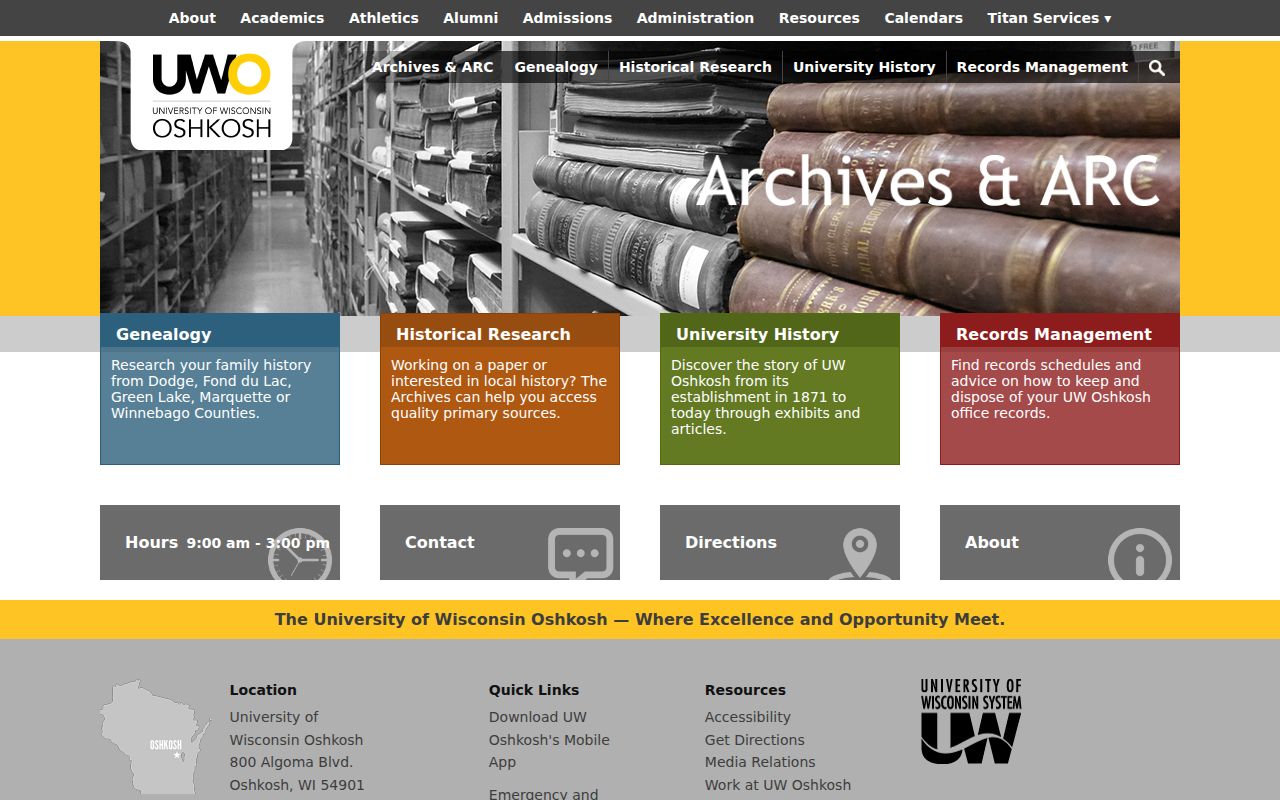
Older Dodge County tax rolls survive from 1877 through 2000. The Treasurer points researchers to the UW–Oshkosh Archives for that series. Those rolls can place a former owner in a particular year. They can do the same for a parcel. This helps when the modern tax portal stops short. LIST provides tax bills only from 2015 onward. A wide gap sits between the online bills and the archived rolls.
The archives offer a finding aid. It helps identify what is held. That is not a promise of a full digital tax roll online. It is only a map of the collection.
A tax roll proves no transfer. Use it to locate a name or a year, then confirm the ownership change in the Register of Deeds index.
Wisconsin Vital Records in a Dodge County History
Wisconsin's vital-record service sets access periods that vary by record type. Recent records and older indexes are treated differently. Certain certificates carry eligibility conditions. Pre-October 1907 index research goes to the Wisconsin Historical Society. Confirm the current rule for a birth, marriage, divorce, or death record with the state before planning a request.
The state's vital-record search route page explains how to search and order records. It helps confirm family dates and relationships. That can identify who appears in an old deed. It offers no Dodge County land instruments, and a certificate alone never establishes a transfer of real estate.
Common family names call for caution. Use certificate dates as clues, never as a substitute for the land description. Go back to the Register of Deeds. Match the party, the instrument date, the PIN, and the legal description.
Recent records may carry restricted access. Follow the state's eligibility and release rules for any genealogical request.
Let a vital record fix the date, then check the land documents for the ownership change itself.
Dodge County Historic Plats and Atlases
Old plats can bridge an old lot description to a modern parcel. The Beaver Dam Community Library holds a deep shelf of them. Its index covers an 1859 Dodge County map and an 1873 atlas. It also lists an 1878 plat map, plat books from 1890 and 1910, and a 1925 atlas. Owner-indexed land atlases run through 2017. The 1859 map names Beaver Dam's north and south city plats. It also plats Horicon and Juneau.
Sanborn fire-insurance maps add detail. The library lists Beaver Dam Sanborn sheets for 1885, 1892, 1897, 1904, and 1924. Those images can pin an old street, business, or lot to a later deed. The Wisconsin Historical Society catalog adds a county plat book. It covers Juneau and the Horicon area. Maps give context. They do not prove title.
Copy any subdivision or plat name exactly. Carry its lot and block numbers straight into the deed search. For a rural tract, keep the Public Land Survey System calls intact. You could also keep the metes-and-bounds description intact. Never swap a historical address for a modern street number without a source.
Estate Transfers in a Dodge County Chain
Estate and trust transfers reshape a chain. A clean person-to-person run of deeds can bend the moment property passes through probate. Dodge County's Register of Deeds indexes beneficiary deed form TOD-110 and termination of decedent's property interest form HT-110. Expect a trustee or personal representative as grantor. A probate order may sit behind the later deed. Search instrument and court file separately.
Wisconsin Vital Records issues certificates by record type, date, and eligibility. Records from October 1907 forward run through both state and county routes. Recent deaths carry separate access rules. A death certificate builds a family timeline but never transfers land. The recorded deed or termination instrument does that work.
Hit a gap? Save the last verified grantee and the exact legal description, then ask the Register of Deeds or Clerk of Courts which older file series might hold the missing link.
Dating a Dodge County Ownership Link
Order the chain by recording date and deed parties. A tax year or map edition will not. The county puts LIST recording and assessment data back to 1996. Online tax bills start in 2015. The UW–Oshkosh tax-roll finding aid spans 1877 to 2000. Those ranges describe three different record sets. A current-owner check can start at LIST. The chain then walks backward from the grantee named in the newest deed.
For each link, record the name as written, the date, document type, legal description, and county reference. A deed citing a prior book and page hands you the next lead. Do not skip a grantor just because the name looks familiar or the tax roll agrees. Trust the documents themselves. The latest deed shows who received the most recent transfer, and the Dodge County current-owner check explains that present-day comparison. This page follows the sequence backward toward earlier owners and older records.